
The Colors of Friendship
In “The Colors of Friendship“, a new resident named Gray arrives in a vibrant village where every character embodies a distinct color, symbolizing individuality and joy. Initially, the colorful inhabitants are hesitant and dismissive of Gray, believing that his muted hue signifies dullness and lack of spirit. However, the story unfolds to reveal the essential values of diversity and inclusion, teaching the villagers that every color, including gray, brings unique strengths and perspectives to the community.
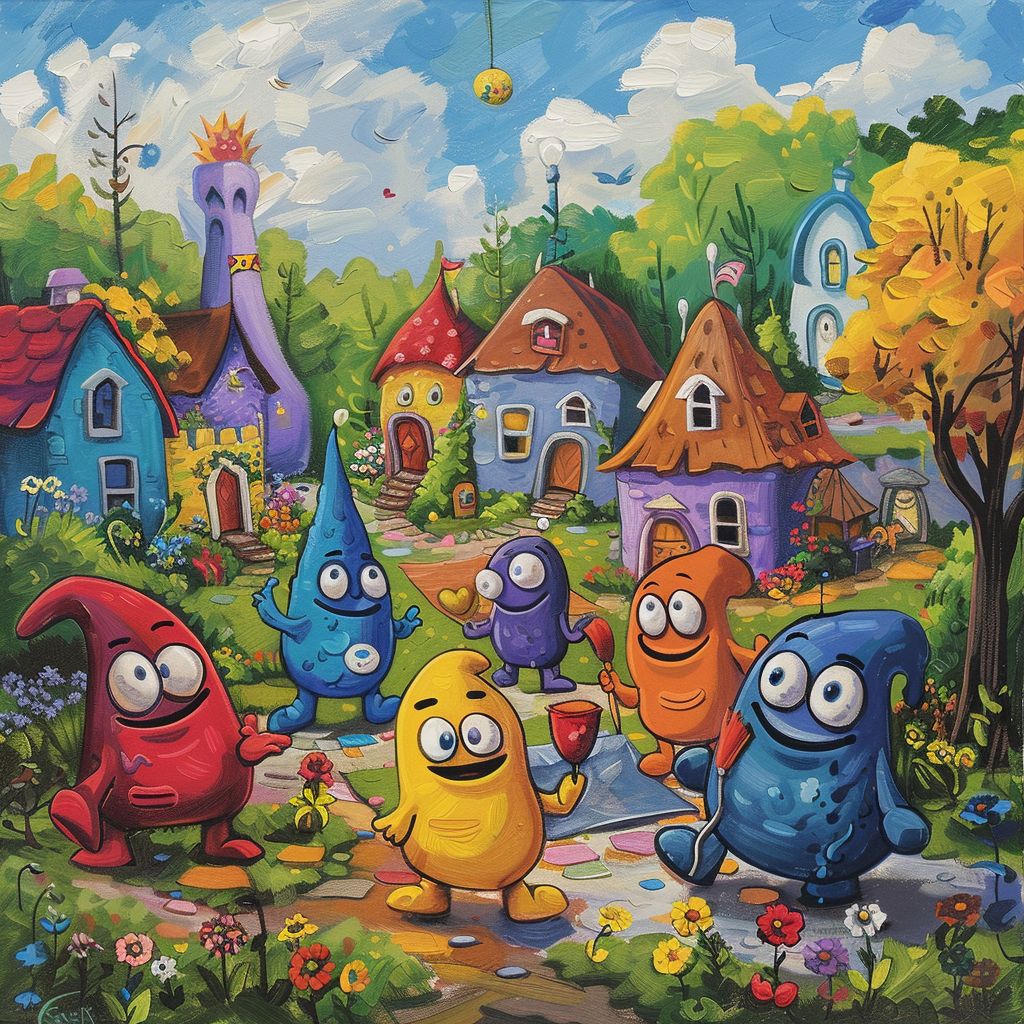
As Gray grapples with feelings of isolation, he reflects on his identity and realizes that his calm nature represents balance and harmony, qualities that are equally important in a diverse society. With encouragement from Mr. Rainbow, the wise elder, Gray finds the courage to share his vision of incorporating quiet moments into the village’s celebrations. This pivotal moment emphasizes the moral that embracing differences leads to richer, more meaningful connections, encouraging students to appreciate what makes each individual special.
Ultimately, “The Colors of Friendship” serves as a powerful allegory for acceptance and understanding in educational settings. By advocating for inclusion and the celebration of diversity, the story encourages students to recognize the value of every individual’s contributions, fostering an environment where everyone feels they belong. This narrative not only captivates young audiences but also instills vital life lessons about empathy, community, and the beauty of being different, making it an essential read for today’s classrooms.